
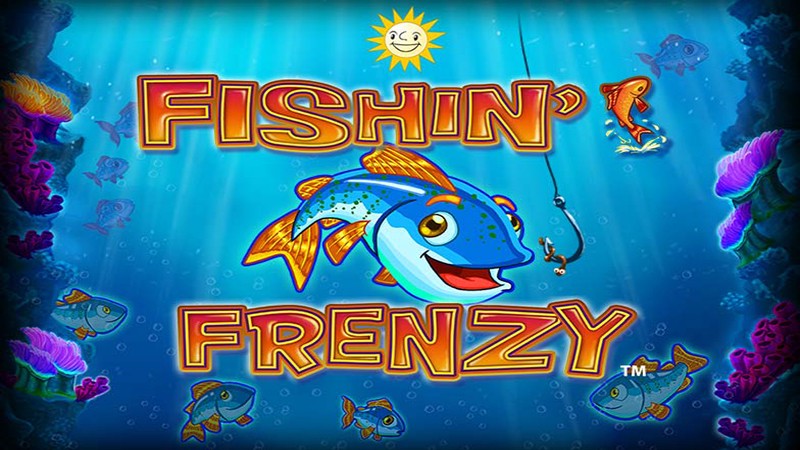
If you are reading this, you or someone close to you is probably in a difficult situation, sensing the attraction of a slot like Fishin Frenzy Slot while also understanding you require assistance. That space between acknowledging the issue and seeking help can seem overwhelming. It grows even tougher when you run into waitlists. Looking for this help is a brave and vital step. I’ll explain to you how addiction support operates in Canada, not as some expert from afar, but as someone who gets how bewildering the system can be. We’ll consider the truth of counseling wait times, discuss things you can start doing today, and describe paths to long-term recovery. We’ll keep the practical aspects of getting help in Canada in sharp focus. My objective is to provide you with knowledge and practical steps you can take, so that waiting for help feels less like being stuck and more like a period of proactive readiness.
Long-Term Recovery Paths Post Counseling
Formal counseling is a potent starting point, but ongoing healing is a path that carries on far past therapy ends. After counseling, your aim is to incorporate the strategies you learned into your everyday life. It typically entails some kind of ongoing upkeep. You might go to sporadic “booster” therapy appointments or stay active in a self-help group like GA for many years. Discovering new interests and social events that give you fulfillment and belonging is vital. They occupy the void that betting used to occupy. Keeping up with financial discipline, perhaps with some permanent systems in place, remains important. You’ll also improve in spotting your individual triggers—anxiety, solitude, certain locations—and employing more adaptive ways to deal. Keep in mind, relapse can be a part of the journey. It never mean you faltered. It’s a signal to reconnect to your support network and adjust your approach. Sustained recovery is about building a robust, satisfying life where gambling does not have a dominant or harmful role any longer.
Understanding Problem Gambling and Online Slots
To begin, let’s be clear about what this is. Problem gambling isn’t a simple lack of willpower. It’s a recognized behavioral addiction where the drive to gamble becomes uncontrollable and harmful, even as it causes harm. Games like Fishin Frenzy Slot are designed to draw you in. They use bold colors, simple gameplay, and the chance for quick, repeated spins. Those infrequent wins mixed in with many losses activate a dopamine hit in your brain, which strengthens the behavior. This can start a cycle where you’re not playing for fun anymore. You might be running after losses, trying to avoid stress, or hunting for that fleeting rush of excitement. This is a significant issue in Canada, touching people and families from all walks of life. Recognizing the signs in yourself is crucial. Do you reflect about gambling all the time? Do you need to bet more money to feel the same thrill? Have you misled about your gambling or felt frustrated when you tried to stop? Noticing these patterns is the critical first step that directs you to look for counseling and support.
The role of Online and Telemedicine Counseling
Virtual and remote counseling has changed the game for addiction support in Canada. This is especially true for individuals in remote areas or dealing with long waitlists. These options let you speak to a professional clinician using encrypted video, phone, or text. Paid options like BetterHelp, Talkspace, or Maple may have recovery professionals, but you cover the cost yourself. More importantly, many regional healthcare systems now deliver virtual care. Ontario’s Structured Psychotherapy Program, for example, provides virtual cognitive-behavioral therapy for different conditions, which can include problem gambling. The strengths are evident. You reduce travel expenses, you can often book appointments more quickly, and you could find a professional you wouldn’t find locally. Just verify any service you choose adheres to Canadian privacy laws (PIPEDA) and that the therapist is licensed to operate in your province. Telehealth can be a great bridge or even a permanent option, offering proven therapy directly to your residence.
Creating Your Own Support Network
Professional help is a key part of recovery, but your personal support network is the base that holds everything steady. While waiting for counseling, concentrate on building this network. This doesn’t mean telling everyone your business. It involves carefully selecting a few trusted people—a partner, a family member, a close friend—and allowing them in. Be clear about how they can help. Maybe you need an accountability partner for daily check-ins. Maybe you need someone to safeguard some extra cash for you. Or maybe you just need a person to contact when you feel alone. At the same time, reflect on stepping back from social circles or online groups where gambling is a regular topic. Seek out recovery-focused communities instead, like Gamblers Anonymous or online recovery forums. Building this network reduces shame, sets up practical safeguards, and demonstrates you that you aren’t alone. It converts the idea of support into something real you can experience every day.
No-cost and Budget-friendly Support Programs Offered Throughout the country
Canada has a network of free and low-cost services for problem gambling. Using them is essential while you wait for one-on-one counseling. A good starting point is the Canadian Centre on Substance Use and Addiction (CCSA) website. It has resources and connections to provincial services. Each province and territory has a responsible gambling organization. Think of ConnexOntario, Alberta’s Addiction Helpline, or BC’s Responsible & Problem Gambling Program. These agencies offer free, confidential information and referrals. Some even deliver short tele-counseling sessions. Many provide free online tools like moderated forums, educational courses, and self-assessment tests. Don’t overlook community health centers either. They often have addictions counselors on staff or can point you to someone, sometimes with shorter delays than specialized clinics. Also, inquire at your workplace. Some employee assistance programs cover counseling sessions for gambling addiction. Checking all these avenues can often link you to professional help faster than depending on one single referral.
Economic and Lawful Measures to Implement Immediately
The most concrete damage from problem gambling is usually financial. That’s why establishing legal and financial safeguards in place is a step you must not ignore. Begin by requesting a copy of your credit report so you know exactly what you owe. Speak to your bank and credit card companies. You are able to ask them to limit cash advances, set lower daily withdrawal limits, or block payments to known gambling merchant codes. Contemplate designating a trusted relative as a financial power of attorney, granting them control over your accounts for a set time. On the legal side, you may utilize self-exclusion contracts with gambling providers in Canada. While using them to recover losses in court is complicated, they serve as a critical behavioral block. If you have shared debts or assets, engaging in an honest talk with the people involved is tough but necessary. It may avert bigger legal problems later. Talking to a non-profit credit counseling service, like Credit Canada, can aid you in build a debt management plan. These steps are hard, but they can be empowering. They safeguard your future and lay the stable ground your recovery needs to grow.
Urgent Support Strategies As You Wait
Your healing can’t pause just because you’re on a waitlist for formal counseling. This is the time to create your own toolkit with strategies you can use immediately. Start with self-exclusion. In Canada, you can self-exclude from specific online casinos like the one hosting Fishin Frenzy Slot. You can also use provincial programs like Ontario’s PlaySmart or BC’s Responsible Gambling Program. These restrict your access to licensed sites and physical casinos, creating a necessary barrier. Next, use the 24/7 helplines. They are not only for emergencies. You can call to talk through a craving or just to hear a friendly voice that understands.
- Contact a National or Provincial Helpline: Dial the Canada-wide Problem Gambling Helpline at 1-888-230-3505. It’s confidential and they can offer referrals. Provincial lines do the same thing but with local knowledge.
- Apply Financial Controls: Transfer control of your finances to someone you trust. Opt for prepaid cards with strict limits, or establish online banking blocks to block transactions to gambling sites.
- Participate in a Peer Support Group: Go to a Gamblers Anonymous meeting, online or in person. Sharing other stories and sharing your own offers real relief and builds accountability.
- Practice Mindfulness and Distraction: Have a “distraction list” ready for when an urge hits. Walk, call a friend, dive into a hobby. Simple mindfulness can help you notice the craving without having to act on it.
Steps like these help you rebuild a sense of control. They show to you that you can manage this waiting period.
The Reality of Counseling Wait Times in Canada
One of the hardest parts of deciding to get help can be the waitlist. To be candid. Across large areas of Canada, wait times for publicly funded addiction counseling are long. Expect delays of weeks to months. This occurs due to high demand, scarce specialized resources, and regional differences in healthcare funding. It feels like a cruel joke. You gather the courage to ask for help, only to be put on hold. This waiting period can be risky. Feelings of frustration or hopelessness might make a relapse more likely. Yet knowing the cause of these waits is valuable. This doesn’t imply your pressing need is overlooked. It’s a system-wide problem. The key is to view this period as active rather than idle. Instead, consider it a chance to engage with other resources, which I’ll explain next. Your recovery begins when you decide to change, not when you first meet a counselor.
Why do waiting lists form
Waitlists are mostly about a mismatch between supply and demand. The demand for specialized, frequently subsidized, counseling exceeds the number of clinicians skilled in gambling addiction. Provincial healthcare systems must rank cases they consider urgent, and the threshold for a gambling “crisis” is often elevated. Also, funding for behavioral addictions like gambling has usually been lower than for substance addictions, though that is starting to shift. Where you live makes a big difference. Metropolitan regions usually provide more services than small towns. Finally, the intake process itself takes time. Services want to match you with the counselor who is the best fit for your specific situation. This matching process may be aggravating, yet it is intended to ensure you receive the most effective treatment eventually.
Common Questions
What’s the initial step I ought to do if I suspect I have a problem gambling with games similar to Fishin Frenzy Slot?
The first thing to do is to recognize the problem to yourself, without self-criticism. Right away set up a restriction. Ban yourself from that exact gambling site and from your province’s online gambling platform. Immediately afterward, dial a help number. The nationwide Problem Gambling Helpline at 1-888-230-3505 is an excellent option. The support agent will offer confidential support and can point you to local support groups. They aid you in clarifying the initial uncertainty and develop a course of action.
Are there queues for addiction therapy briefer for self-funded options in Canada?
Generally, yes. Private therapists or counseling practices for which you pay upfront usually offer expedited appointments. An appointment may be available in one to two weeks, compared to months for publicly funded programs. Cost is a hurdle, but many practitioners offer income-based pricing. Additionally, review your workplace insurance. Your employee assistance program or extended health plan could fund meetings with a certified addiction counselor or clinical psychologist.
Is it possible to find support for a relative’s problem gambling in Canada?
Of course you can. Support services like Gam-Anon are specifically designed for family and friends impacted by someone else’s gambling. State helplines give recommendations on discussing with your relative, establish clear limits, and preserve your emotional health. You can learn about ways to intervene and get referrals to family counseling. This is important, as gambling addiction impacts the entire family.
How does Gamblers Anonymous (GA) differ from professional counseling?
GA is a free, mutual-help group using a 12-step framework. It provides community, shared stories, and ongoing mutual support. Clinical counseling involves one-on-one or group sessions with a qualified professional. They use evidence-based methods, like cognitive-behavioral therapy, to work on the underlying thoughts, behaviors, and triggers. They work well in combination. A lot of people use GA for ongoing community and camaraderie, while opting for counseling for structured clinical work.
What is the effectiveness of online self-exclusion tools for sites like Fishin Frenzy Slot?
They are a vital and valuable first step, but they aren’t a magic fix. When you self-exclude through a proper provincial program, licensed operators like the one running Fishin Frenzy Slot must legally block your account and stop sending you ads. But if someone is determined, they might try to find unregulated offshore sites. So self-exclusion works best when you combine it with other financial controls and personal accountability measures. It should be one part of a bigger plan.
In case of relapse after starting counseling, is that a sign the treatment failed?
Not at all, a relapse does not mean failure. Changing behavior is almost never a straight line. In addiction treatment, a relapse is often seen as a chance to learn. It can show you triggers you missed or needs you haven’t addressed. What matters is what you do next. Contact your counselor or your support network right away. Look at what led to the relapse without shame, and then adjust your strategies. Sticking with it and being kind to yourself after a setback are key parts of making recovery last.